
Common Refrigerator Problems in Dubai: Causes, Warning Signs, and When to Consider Professional Repair
A refrigerator runs continuously to keep food fresh and maintain safe storage temperatures. When cooling performance drops, water starts leaking, frost builds up, or unusual noises appear, these are often early signs of an underlying problem. Understanding these warning signs can help prevent food spoilage, reduce repair costs, and extend your refrigerator’s lifespan.
How Does a Refrigerator Keep Food Cold?
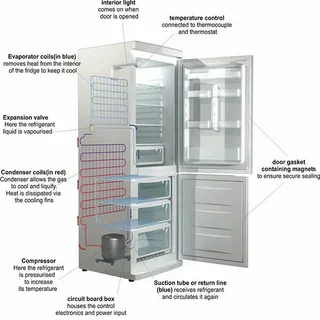
A refrigerator does more than simply produce cold air. It continuously transfers heat from inside the appliance to the outside through a carefully designed cooling system. Several components work together to maintain a stable temperature and preserve food safely.When any part of this system begins to wear out or stops functioning correctly, the refrigerator may struggle to cool efficiently, develop frost, leak water, or produce unusual noises.
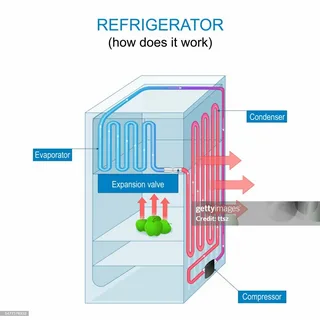
Understanding these key components makes it easier to recognise the early signs of a problem.
Compressor
Often referred to as the heart of the refrigerator, the compressor circulates refrigerant throughout the cooling system. If it becomes faulty, the appliance may stop cooling or run continuously without reaching the correct temperature.
Condenser Coils
Located behind or underneath the refrigerator, condenser coils release heat collected from inside the appliance. Dust and dirt buildup can reduce cooling efficiency and force the compressor to work harder.
Evaporator Coils
These coils absorb heat from inside the refrigerator and freezer compartments. Frost accumulation or restricted airflow around the evaporator can affect cooling performance.
Thermostat and Temperature Sensors
The thermostat and electronic sensors monitor internal temperatures and signal the cooling system when more cooling is required. Faults in these components may cause inconsistent temperatures or continuous operation.
Evaporator and Condenser Fans
Fans circulate cold air throughout the refrigerator while helping remove heat from the cooling system. A damaged fan motor can lead to uneven cooling, warm sections, or unusual noises.
Door Gasket
The rubber door seal prevents warm air from entering the refrigerator. If it becomes loose, cracked, or damaged, the appliance may lose cooling efficiency and consume more electricity.
Common Refrigerator Problems, Their Causes, and Warning Signs
Most refrigerator problems begin with subtle changes in performance before developing into complete cooling failures. Recognising these early symptoms can help reduce food spoilage, improve energy efficiency, and prevent more expensive repairs.
1. Refrigerator Is Not Cooling Properly
Poor cooling is one of the most common refrigerator problems. Food may spoil faster than usual, drinks may not feel cold, and the appliance may struggle to maintain a consistent temperature.
Possible Causes
- Dirty condenser coils
- Faulty compressor
- Defective thermostat
- Low refrigerant level
- Blocked air vents
- Damaged condenser or evaporator fan
Warning Signs
- Food spoils quickly
- Warm refrigerator compartment
- Freezer cools but refrigerator remains warm
- Compressor runs continuously
- Higher electricity consumption
Ignoring cooling problems can place additional strain on the compressor and increase the risk of complete system failure.
2 : Excessive Frost Inside the Freezer
A small amount of frost can be normal, but excessive ice buildup usually indicates that the defrost system is not working correctly.
Possible Causes
- Faulty defrost heater
- Defective defrost thermostat
- Damaged door gasket
- Frequent door opening
- Blocked air circulation
Warning Signs
- Thick ice covering the evaporator
- Reduced freezer space
- Refrigerator compartment becomes warmer
- Cooling becomes inconsistent
Heavy frost restricts airflow, making the refrigerator work harder while reducing overall cooling performance.
3. Water Leaking from the Refrigerator
Water underneath or inside the refrigerator is often caused by drainage or defrost system problems rather than a major cooling failure.
Possible Causes
- Blocked defrost drain
- Cracked drain pan
- Frozen drain tube
- Loose water supply connection
- Damaged door seal causing excess condensation
Warning Signs
- Water pooling beneath the appliance
- Water inside vegetable drawers
- Damp kitchen floor
- Musty odours caused by standing water
Prompt attention helps prevent water damage to flooring and nearby cabinets.
4. Refrigerator Making Unusual Noises
Modern refrigerators produce some operating sounds, but loud buzzing, clicking, rattling, or grinding noises often indicate that a component requires inspection.
Possible Causes
- Worn evaporator fan motor
- Condenser fan obstruction
- Compressor problems
- Loose internal components
- Ice interfering with fan blades
Warning Signs
- Clicking during startup
- Continuous buzzing
- Grinding sounds
- Loud vibration
- Noise becoming worse over time
New or increasing noises should never be ignored, as they often appear before mechanical components fail completely
Refrigerator Repair Dubai Guide for Popular Refrigerator Brands
Modern refrigerators use different cooling technologies, compressor designs, and electronic control systems, but many of the warning signs remain the same regardless of the brand. Whether your appliance develops cooling issues, excessive frost, water leakage, unusual noises, or temperature fluctuations, understanding the symptoms early can help prevent more extensive repairs.
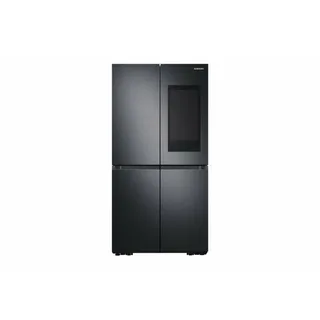
Samsung Refrigerators
Samsung refrigerators feature technologies such as Digital Inverter Compressors, Twin Cooling Plus, and smart temperature controls. Common issues may include inconsistent cooling, ice maker faults, sensor errors, frost buildup, or water leakage.
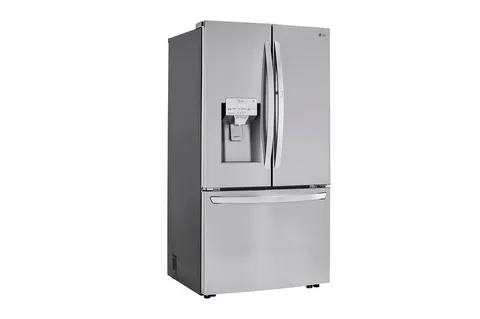
LG Refrigerators
LG models often use Linear Compressor technology and smart diagnostic systems. Over time, they may experience cooling problems, compressor-related faults, water dispenser issues, or temperature fluctuations.
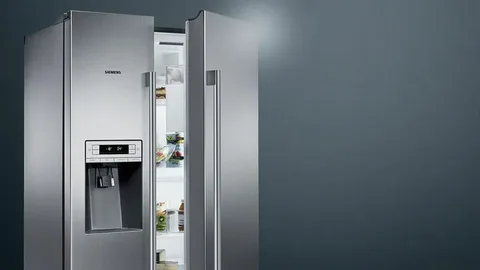
Bosch & Siemens Refrigerators
Bosch and Siemens refrigerators are known for No Frost technology, energy efficiency, and advanced electronic controls. Common concerns include fan motor problems, cooling inconsistencies, frost accumulation, or electronic control faults.
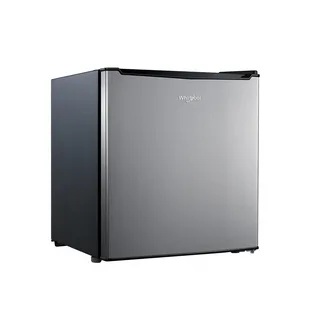
Whirlpool & Electrolux Refrigerators
These refrigerators are designed for everyday household use and may develop issues such as poor cooling, blocked defrost drains, thermostat faults, door seal wear, or compressor problems after years of continuous operation.
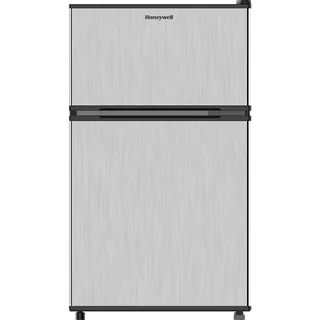
Miele Refrigerators
Miele appliances are built for long-term reliability and premium performance. As components age, cooling efficiency, sensors, electronic controls, or internal airflow systems may require professional inspection.
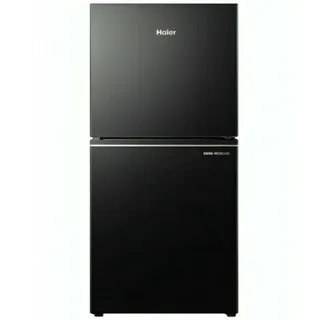
Haier, Hitachi, Panasonic, Toshiba, Hisense & Beko Refrigerators
These brands are widely used in homes across Dubai and can develop similar cooling system faults, including compressor wear, fan motor issues, water leakage, thermostat problems, and defrost system failures over time.
Signs Your Refrigerator May Need Professional Attention
Not every refrigerator problem requires immediate repair, but certain warning signs should never be ignored. Addressing these issues early can help prevent food spoilage, reduce energy consumption, and avoid damage to major components such as the compressor or electronic control system
Cooling Has Become Inconsistent
If some areas inside the refrigerator remain cold while others become noticeably warmer, the cooling system may not be distributing air properly. Inconsistent temperatures can shorten the shelf life of food and indicate problems with airflow, sensors, or internal components.
The Compressor Runs Continuously
A refrigerator normally cycles on and off to maintain the correct temperature. If the compressor rarely stops running, it may be working harder than necessary due to restricted airflow, dirty condenser coils, faulty sensors, or declining cooling efficiency.
Food Spoils Faster Than Usual
Milk, vegetables, meat, and other perishable items should remain fresh for their expected storage period. If food begins spoiling much sooner, the refrigerator may no longer be maintaining safe internal temperatures, even if it still feels cool.
Higher Electricity Bills
A refrigerator that struggles to cool efficiently often consumes more electricity because the compressor operates for longer periods. An unexplained increase in energy usage can sometimes indicate that the appliance is working harder to compensate for an underlying fault.
Frequent Water Leaks or Excess Moisture
Small amounts of condensation can be normal, but repeated water leaks, excessive moisture inside the refrigerator, or standing water beneath the appliance usually indicate a drainage, sealing, or cooling issue that should be inspected.
Error Codes on Digital Displays
Many modern refrigerators include self-diagnostic systems that display error codes when sensors or electronic components detect abnormal operation. Rather than ignoring these alerts, identifying the underlying cause early can help prevent further damage.
Common Refrigerator Brands That Can Experience These Problems
Cooling issues are not limited to a single manufacturer. Over time, refrigerators from Samsung, LG, Bosch, Siemens, Whirlpool, Miele, Electrolux, Haier, Hitachi, Panasonic, Toshiba, Hisense, Beko, Ariston, Indesit, Super General, and many other brands may develop faults as components wear or operating conditions become more demanding.
Although each brand uses different cooling technologies and electronic systems, many warning signs—such as reduced cooling, unusual noises, frost buildup, water leakage, or fluctuating temperatures—are similar regardless of the appliance model.
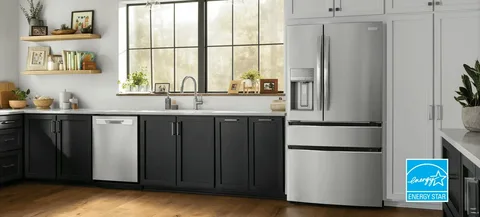
How to Keep Your Refrigerator Running Efficiently
Regular maintenance plays an important role in extending the lifespan of your refrigerator and maintaining consistent cooling performance. While some internal components require professional diagnosis, a few simple habits can help improve efficiency and reduce unnecessary wear on the cooling system.
Clean the Condenser Coils Regularly
Dust and debris can collect on the condenser coils over time, making it harder for the refrigerator to release heat. Cleaning the coils every few months helps improve cooling efficiency and reduces strain on the compressor.
Avoid Overloading the Refrigerator
Packing too many items inside the refrigerator can restrict airflow and make it difficult for cold air to circulate evenly. Leaving enough space between food items helps maintain a consistent temperature throughout the appliance.
Check the Door Seals
The rubber door gasket should create a tight seal every time the door closes. If the seal becomes cracked, loose, or worn, warm air can enter the refrigerator, forcing the cooling system to work harder and increasing energy consumption.
Set the Correct Temperature
Keeping the refrigerator between 3°C and 5°C and the freezer at around -18°C helps preserve food safely while maintaining efficient operation. Temperatures that are set too low may increase electricity usage without providing additional benefits.
Keep Air Vents Clear
Cold air must circulate freely between different compartments. Blocking internal air vents with large food containers can reduce cooling performance and create uneven temperatures inside the refrigerator.
Reduce Frequent Door Openings
Opening the refrigerator door repeatedly allows warm air to enter, causing the compressor to run longer to restore the desired temperature. Keeping the door closed whenever possible helps maintain efficient cooling.
Why Preventive Maintenance Matters
Many refrigerator failures don’t happen overnight. Components such as compressors, fan motors, thermostats, sensors, and door seals often show gradual signs of wear before they stop working completely. Paying attention to these early warning signs and following basic maintenance practices can help improve reliability, reduce operating costs, and extend the overall lifespan of your appliance.
Should You Repair or Replace Your Refrigerator?
A refrigerator that stops cooling or develops recurring problems doesn’t always need to be replaced. In many cases, the issue is limited to a single component that can be repaired, allowing the appliance to continue operating reliably for years. The right decision depends on the refrigerator’s age, overall condition, and the nature of the fault.
Consider Repairing Your Refrigerator If:
- Cooling performance has recently declined.
- Water is leaking from the appliance.
- Frost is building up inside the freezer.
- The refrigerator is making unusual noises.
- The compressor, fan motor, thermostat, or door seal requires replacement.
- The appliance has otherwise been operating reliably.
Replacement May Be Worth Considering If:
- The refrigerator has experienced multiple major failures in a short period.
- The compressor and electronic control board have both failed.
- Repair costs approach the value of a newer appliance.
- Cooling performance continues to decline despite previous repairs.
- The appliance is well beyond its expected service life and has become inefficient.
Refrigerator Repair Dubai Services Available Across the City
Whether your refrigerator is installed in a high-rise apartment, family villa, office pantry, restaurant, café, hotel, or commercial kitchen, cooling problems can disrupt daily routines and lead to unnecessary food waste. Professional refrigerator repair services are available across Dubai Marina, Downtown Dubai, Business Bay, Jumeirah Village Circle (JVC), Palm Jumeirah, Dubai Hills, Al Barsha, Mirdif, Jumeirah Lake Towers (JLT), Arabian Ranches, Dubai Silicon Oasis, Al Nahda, Deira, Bur Dubai, Al Quoz, Motor City, Dubai Sports City, International City, The Springs, The Meadows, and surrounding communities throughout Dubai.