Microwave Oven Repair Services in Dubai
for Heating and Electrical Faults
Reliable Microwave oven Repair Services In Dubai|
A microwave that runs without heating, sparks inside the cavity, or stops during use should be inspected before it’s operated again. We provide microwave oven repair in Dubai for heating failures, door problems, turntable faults, unusual noises, control-panel errors and electrical issues — including Dubai Marina, JBR, Downtown, Business Bay, JVC and Arabian Ranches.
Our technicians check the appliance before recommending parts. Whether the cause is a door switch, magnetron, high-voltage component, turntable motor, cooling fan or electronic control, you get a clear explanation before any work begins.
Trusted by 5,000+ Dubai households | Same-Day Slots Available | Fixed-Fee Diagnosis, Waived on Repair | 90-Day Repair Guarantee
✔ Doorstep inspection ✔ Major dryer brands ✔ Diagnosis fee waived on repair ✔ Final function test on every job
⚡ Stop Using the Microwave Immediately If You Notice:
Microwaves store high-voltage electrical charge internally — even unplugged, certain components can hold enough energy to cause serious injury. This is the one appliance on our site where we ask you not to investigate at all, even out of curiosity.
Disconnect the appliance right away if you notice: smoke or a burning smell · repeated sparking · operation with the door open · damaged door glass or latch · repeated breaker tripping · an overheating plug or cable · melted internal components · severe rust inside the cavity · loud electrical buzzing · exposed wiring
Never remove the outer casing or test internal components yourself, even when the microwave is unplugged. High-voltage capacitor and magnetron work should only be carried out by technicians trained in safe high-voltage discharge — ask about this when booking if it puts your mind at ease.
Signs Your Microwave Needs a Look
Microwave faults can affect heating performance and electrical safety together. Stop using the appliance if it sparks, smells burnt, or operates while the door is open. Arrange an inspection if:
Food remains cold after a full cycle · the microwave won’t start · the display works but heating doesn’t begin · the appliance stops after a few seconds · sparks or flashes appear inside · the turntable doesn’t rotate · the door won’t close or open correctly · buttons or the touchpad don’t respond · the interior light doesn’t work · the machine makes a loud buzzing sound · an error code appears · the fan runs after the cycle ends · the appliance turns on by itself · the plug, cable or socket becomes hot · the circuit breaker trips
What's Causing Fault In MicroWave Oven?
| Symptom | Likely Causes | Worth Knowing |
|---|---|---|
| Running but Not Heating | Failed magnetron, high-voltage diode fault, damaged capacitor, transformer or inverter problem, faulty door-interlock switch, burnt electrical connection, control-board failure, thermal cut-out fault | Several high-voltage parts can produce the exact same “runs but doesn’t heat” symptom — needs careful testing, not a guess |
| ⚡ Will Not Turn On | Power-supply problem, blown internal fuse, damaged cable, faulty thermal cut-out, door-switch failure, control-board fault | If the breaker trips when it starts, disconnect and stop resetting it — don’t keep trying |
| ⚡ Sparking Inside | Metal objects, foil, damaged cookware, burnt food residue, damaged waveguide cover, chipped interior coating, exposed metal | Switch off immediately — repeated sparking can damage the cavity, waveguide and magnetron. Often user-caused (metal/foil), not always a fault |
| Turntable Not Rotating | Incorrectly seated tray, food blocking movement, broken coupler, worn roller ring, failed turntable motor, control fault | Heats unevenly when the tray doesn’t rotate — check the tray seating before assuming a motor fault |
| Door Will Not Close | Damaged latch, handle, hinge, spring, or switch holder preventing correct alignment | Never force the door or bypass its safety switches — it shouldn’t operate unless the door closes and locks correctly |
| Touchpad/Buttons Not Working | Damaged membrane switch, moisture, loose connection, failed control board | Some buttons dead = worn keypad assembly; full panel dead = check power and control circuits |
| Loud Noise | Magnetron, high-voltage diode, cooling fan, turntable motor, stirrer motor, loose internal panel, transformer, food/debris under tray | Stop using if the sound comes with sparks, smoke or a burning smell |
| Stops During Use | Overheating, incorrect signal from door switch/temperature sensor/control board, blocked cooling vent, failing fan | Cooling helps temporarily, but repeated shutdowns need real diagnosis, not repeated restarts |
| Light or Fan Not Working | Failed bulb (lighting only); fan faults may involve motor, wiring, control relay or obstruction | The fan protects electrical components from heat — don’t keep using the unit if a failed fan is causing overheating |
| ⚡ Turns On When Door Opens | Door switch, switch holder, or control fault allowing unintended operation | A genuine safety failure, not a minor inconvenience — stop using and disconnect immediately |
We Provide Microwave Oven Repair Services In Dubai
Heating-system diagnosis
magnetron, high-voltage diode, capacitor, transformer or inverter circuit, tested with appropriate high-voltage safety procedures.
Door latch and interlock repair
latches, hooks, hinges, switch holders and safety switches checked for correct alignment and operation.
Turntable repair
glass tray, roller guide, coupler, turntable motor and related control circuit, when rotation stops or becomes uneven.
Control panel and display repair
keypad, display, selector and electronic-board faults that prevent programme selection or normal operation.
Internal sparking assessment
cavity, waveguide cover, food residue and internal coating inspected before the unit is ever restarted.
Cooling fan and overheating repair
fan, ventilation paths, temperature protection and related controls, when the appliance overheats or stops during use.
Fuse and electrical repair
internal fuses, thermal protection, wiring, relays and terminal connections, when the appliance loses power or trips the circuit.
Microwave Types We Service
Countertop · built-in · microwave and grill combinations · convection microwave ovens · inverter models · combination microwave ovens · selected over-the-range models · selected commercial-style units
A convection microwave includes traditional heating and fan components alongside its microwave systems — the technician has to determine whether the problem affects microwave heating, convection heating, grilling, or shared controls. Built-in models need careful removal and refitting, with cabinet ventilation, mounting brackets, trim, electrical connections and door clearance all considered.
Parts We Test Before Any Repair
Depending on the fault and model: magnetron · high-voltage capacitor · high-voltage diode · transformer or inverter board · internal fuse and thermal cut-out · door-interlock switches · door latch and switch holder · control board · touchpad and display · turntable motor · tray coupler and roller ring · cooling fan · stirrer motor · interior light · waveguide cover · wiring and terminal connections · convection heater and fan · grill element
High-voltage components are only tested by technicians with the right equipment and training — this is a firm line we don’t cross, and neither should you.
What Happens When You Book a Visit
Tell us what's happening.
Brand, model number, microwave type and main symptom — include any error code, unusual noise, burning smell or sparking. A photo of the model label helps confirm the correct technical information and suitable parts.
Safety check first
The technician checks the plug, cable, door, cavity, ventilation and any visible signs of overheating or electrical damage before anything else.
Trace the fault
Relevant low-voltage, high-voltage, mechanical and electronic systems are assessed — separating a door, power or control fault from a genuine heating-system failure.
Confirm before we fix.
You get an explanation of the problem, the required work, expected cost, and parts availability before approving anything.
Repair and Testing
After approved work is completed, the appliance is reassembled and tested for door safety, programme response, turntable movement, fan operation and heating performance.
Pricing, and When Replacement Makes More Sense
Diagnosis starts from a fixed call-out fee — waived if you go ahead with the repair.
The cost beyond that depends on the model and confirmed fault — a broken tray coupler or door switch normally needs very different work from a magnetron, inverter or control-board failure. An accurate quote follows inspection, since a microwave that doesn’t heat can have several possible causes.
Cost factors: Brand and model · countertop or built-in installation · standard, grill or convection design · accessibility of the component · diagnostic and labour time · replacement-part price · extent of electrical or cavity damage · parts availability · additional testing or return visit
Before approving work, ask for: the diagnosis, labour cost, part price, applicable visit fee, expected completion time, and available warranty terms.
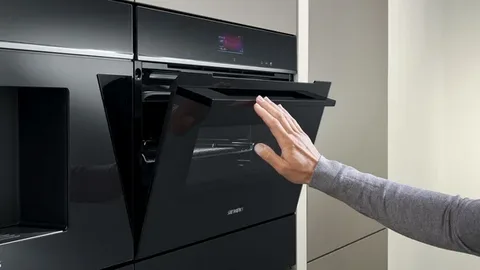
Is it worth repairing, or better to replace? Repair can be worthwhile when the appliance is in good condition, the fault is limited, and compatible parts remain available. Replacement tends to be more practical when the cooking cavity has severe rust or burn damage, the door is badly damaged or misaligned, several high-voltage parts have failed, the appliance has sparked repeatedly, parts are obsolete, or the repair cost is close to replacement cost.
Premium built-in and convection models often justify repairs that wouldn’t make sense for an older basic countertop unit — it’s a per-appliance call, which is exactly what the diagnosis settles.
Safe Microwave Use and Maintenance
Simple care prevents most food-residue, arcing and ventilation problems before they start.
Use microwave-safe containers · remove metal cutlery and foil · keep the interior clean and dry · wipe spills before they harden · don’t operate the microwave empty · keep ventilation openings clear · seat the glass tray correctly · don’t slam the door · stop using the unit if the door is damaged · avoid covering vents with stored items · follow the manufacturer’s instructions for grill and convection modes · never remove the outer casing
Don’t use a microwave with a damaged door, cracked glass, loose hinge or broken latch.
Areas We Serve Across Dubai
Premium Areas
- Dubai Marina
- Palm Jumeirah
- Downtown Dubai
- Business Bay
- Jumeirah
- Jumeirah Beach Residence (JBR)
- Dubai Hills Estate
- Emirates Hills
- Bluewaters Island
Family Communities
- Dubai Marina
- Downtown Dubai
- Business Bay
- JVC
- Palm Jumeirah
- Dubai Hills
- Arabian Ranche
- Silicon Oasis
- JLT Motor City
Popular Residential Communities
- Jumeirah Village Circle (JVC)
- Jumeirah Village Triangle (JVT)
- Arabian Ranches
- Dubai Sports City
- Motor City
- The Springs
- The Meadows
- Discovery Gardens
- Al Sufouh
- Al Wasl
Apartment & Commercial Areas
- Jumeirah Lakes Towers (JLT)
- Dubai Silicon Oasis
- Al Jaddaf
- Al Quoz
- Dubai Design District (D3)
- Dubai South DIFC
- JVC
- Dubai Creek Harbour
FAQs
Could be the magnetron, diode, capacitor, transformer, inverter, door switch or control circuit — see Not Heating above. Testing is required before any part is replaced.
No. A microwave can store a dangerous electrical charge after being unplugged. Don't remove the outer casing or touch internal components — see the safety section at the top of this page.
Metal objects, foil, burnt food, a damaged waveguide cover, or exposed cavity metal are the usual causes — see Sparking above.
Some faults can be diagnosed and repaired onsite. The model, installation, part availability and type of high-voltage work involved determine whether another visit is needed.
We stand behind our workmanship — ask your technician for the specific warranty terms that apply to your repair before you approve the work.
Brand, full model number, microwave type, Dubai location, and a clear description of the fault. Mention any sparks, smell, noise or displayed error code.
Book Appliance Repair in Dubai
Tell us what appliance has stopped working, what symptoms you’ve noticed, and where you’re located — we’ll help you arrange an inspection and figure out the right next step.
Keep the model number, error code and preferred appointment time ready when you contact us.