Washing Machine Problems in Dubai and How to Fix Them
A washing machine can fail without warning, leaving clothes wet, water inside the drum, or an error code on the display. This guide covers common washing machine problems in Dubai across major brands, including Bosch, Siemens, Samsung, LG, Whirlpool, and more, with likely causes, warning signs, and when professional repair may be needed.
Why Do Washing Machines Develop Problems?
A modern washing machine is more than a rotating drum. Depending on the model, it may contain an inlet valve, drain pump, circulation system, pressure sensor, temperature sensor, heating element, drive motor, bearings, shock absorbers, suspension components, door interlock, electronic control board, wiring harness, detergent dispenser, and multiple hoses.
These components must work together during filling, washing, rinsing, draining, and spinning.
A fault in one area can affect the entire cycle. For example, a blocked drain filter may prevent proper drainage. If water remains inside the drum, the machine may refuse to enter a high speed spin cycle. To the homeowner, this can look like a spinning problem even though the original fault is related to drainage.
That is why accurate diagnosis matters.

1. Washing Machine Not Starting
A machine that does not start is one of the most frustrating problems because the cause is not always obvious.
Possible causes include:
- Power supply problems
- Faulty wall socket
- Tripped circuit protection
- Damaged power cable
- Door lock or lid switch fault
- Control panel problem
- Electronic control board failure
- Internal wiring issue
- Active child lock
- Water supply problem
Start with simple checks. Confirm that the machine has power, the door is fully closed, the water supply is available, and no child lock setting is active.If the display turns on but the cycle does not begin, the issue may involve the door interlock, inlet system, sensor circuit, or control electronics.
Repeatedly forcing the machine to start is not a reliable solution. If the same fault returns, the underlying cause should be diagnosed.
2. Washing Machine Not Spinning
When a washing machine completes part of the cycle but fails to spin properly, clothes may remain unusually wet.
Common causes include:
- Unbalanced laundry load
- Blocked drainage system
- Worn drive belt
- Motor fault
- Speed sensor problem
- Door lock failure
- Worn carbon brushes in applicable motor designs
- Control board fault
- Suspension problem
An overloaded drum can also prevent proper spinning. Heavy towels, bedding, and large garments may collect on one side of the drum and create an imbalance.
If the problem continues with a normal load, further inspection may be required. A technician may need to check drainage, motor operation, rotational feedback, drive components, and electronic controls.
3. Washing Machine Not Draining Water
Water remaining inside the drum after a cycle often points to a drainage issue.
Possible causes include:
- Clogged drain filter
- Blocked drain hose
- Kinked outlet hose
- Foreign object in the pump
- Faulty drain pump
- Drainage installation problem
- Control or wiring fault
Coins, hair, lint, small pieces of fabric, and other debris can enter the drainage path.
A blocked system should not be ignored. If the pump continues trying to move water through a restriction, the problem may worsen.
Before opening a filter, remember that trapped water may escape quickly. If you are unsure about safe drainage or access, professional inspection is the better option.
4. Washing Machine Leaking Water
A small leak can become a serious household problem. Water may damage flooring, cabinets, nearby electrical points, or the apartment below.
Leaks can originate from:
- Inlet hose
- Drain hose
- Door gasket
- Detergent drawer
- Internal hose
- Drain pump
- Loose connection
- Excessive detergent
- Damaged tub component
The location of the water does not always reveal the exact source. Water can travel along internal surfaces before reaching the floor.
Front load machines often require careful inspection around the rubber door seal. Small objects, trapped debris, deterioration, or physical damage can allow water to escape during a cycle.
If leakage continues, stop using the appliance until the source is identified.
5. Washing Machine Making Loud Noise
Some sound during operation is normal. New grinding, banging, scraping, knocking, or rumbling sounds are different.
Possible causes include:
- Foreign object inside the drum area
- Worn drum bearings
- Loose component
- Damaged shock absorber
- Suspension fault
- Drain pump obstruction
- Drive system problem
- Unbalanced load
A coin or small metal object may produce a repetitive sound. A deeper rumbling noise that becomes stronger during high speed spinning can indicate a more serious mechanical issue.
Continuing to operate a machine with a severe bearing or drum related problem may increase damage.
6. Washing Machine Shaking or Moving During Spin
A machine that moves across the floor should not be treated as normal.
Common reasons include:
- Incorrect leveling
- Uneven floor
- Unbalanced load
- Overloading
- Worn shock absorbers
- Suspension spring problem
- Shipping bolts left installed after setup
- Internal mechanical wear
Correct installation matters. All feet should sit firmly on the floor, and the appliance should be properly leveled.
If a previously stable machine suddenly begins shaking heavily, worn suspension components or another internal fault may be involved.
7. Washing Machine Door Not Opening
Modern front load washing machines use a safety lock to prevent the door from opening during operation.
The door may remain locked because of:
- Water left inside the drum
- Drainage failure
- Door interlock fault
- Interrupted cycle
- Power problem
- Control board issue
- Safety delay after the programme ends
Do not force the handle. A broken handle can turn one fault into two.
If water remains visible inside the drum, the drainage problem may need to be resolved before the door can safely release.
8. Washing Machine Not Filling With Water
If the programme begins but little or no water enters the drum, inspect the basic water supply first.
Possible causes include:
- Closed supply valve
- Low water flow
- Kinked inlet hose
- Blocked inlet filter
- Faulty water inlet valve
- Pressure sensing problem
- Door lock issue
- Electronic control fault
Some modern machines stop the cycle when expected water conditions are not detected. This protects the appliance but can make the fault appear more complicated than it is.
9. Washing Machine Filling With Too Much Water
Overfilling requires attention because it can create leakage and operational problems.
Potential causes include:
- Pressure sensor fault
- Pressure hose problem
- Water inlet valve stuck open
- Control board issue
- Incorrect water level detection
If water continues entering unexpectedly, switch off the appliance and isolate the water supply when safe to do so.
10. Washing Machine Not Heating Water
Some wash programmes depend on controlled water heating. If the temperature system fails, cleaning performance may decline or the cycle may behave abnormally.
Possible causes include:
- Faulty heating element
- Temperature sensor problem
- Wiring issue
- Control board fault
- Scale accumulation around heating components
Diagnosis may require electrical testing. Replacing a heating element without confirming the fault can waste money if the real issue is a sensor, connection, or control circuit.
11. Washing Machine Smells Bad
A bad smell does not always mean the appliance has a major mechanical failure. It often develops because moisture and residue remain inside the machine.
Common contributors include:
- Detergent buildup
- Fabric softener residue
- Dirty door gasket
- Blocked filter
- Poor drainage
- Repeated low temperature washing
- Moisture trapped inside the drum
Regular cleaning can help. Pay attention to the detergent drawer, rubber seal, filter area, and manufacturer approved cleaning cycle.
Using too much detergent can make the problem worse because excess product may leave residue behind.
12. Washing Machine Leaving Clothes Wet
If clothes remain much wetter than expected, possible causes include:
- Spin cycle failure
- Drainage restriction
- Unbalanced load
- Incorrect programme selection
- Motor problem
- Drive system fault
- Speed sensor issue
The first step is to determine whether the machine drained all the water. If water remains inside, drainage should be investigated before assuming the spin system itself has failed.
13. Washing Machine Stops Mid Cycle
A machine that starts normally and then stops can be difficult to diagnose because several systems may interrupt a programme.
Possible causes include:
- Drainage problem
- Water supply interruption
- Overheating
- Door lock fault
- Motor issue
- Sensor failure
- Power fluctuation
- Control board problem
The exact stage at which the machine stops can provide useful diagnostic information. A machine that stops before draining may have a different problem from one that stops during high speed spinning.
14. Washing Machine Displaying an Error Code
Error codes are useful, but they should be interpreted carefully.
A code may relate to:
- Water inlet
- Drainage
- Door locking
- Heating
- Motor operation
- Temperature sensing
- Water level sensing
- Communication between electronic modules
The same code does not mean the same thing across every brand.
A Samsung code should not automatically be interpreted using an LG, Bosch, Siemens, Whirlpool, or Electrolux fault chart. Even within one manufacturer, meanings can differ by model series.
Record the exact code and model number before seeking assistance. This makes diagnosis more accurate.
Washing Machine Brands Commonly Serviced in Dubai
Different manufacturers use different motor systems, control electronics, drainage designs, sensors, and diagnostic procedures. Brand and model identification therefore matter during repair.

Bosch Washing Machine Problems
Bosch washing machines may develop drainage faults, door locking problems, spinning issues, water inlet faults, pump problems, heating related failures, or electronic errors.
Siemens Washing Machine Problems
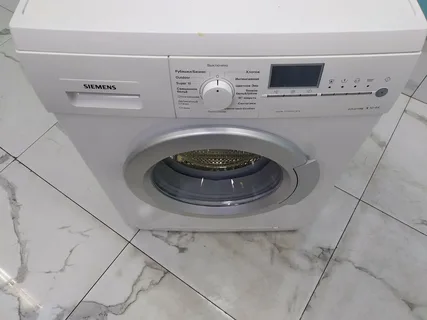
Siemens machines can experience issues involving drainage, water intake, door locking, sensors, motor operation, heating systems, or control electronics. Some models include advanced programme management and connected features, making model specific diagnosis important.
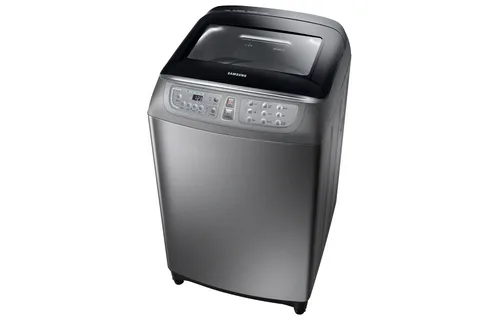
Samsung Washing Machine Problems
Samsung washing machines may show symptoms such as failure to drain, excessive vibration, door lock problems, water supply errors, spinning faults, or electronic error codes.On smart and inverter based models, technicians may need to inspect both mechanical and electronic systems
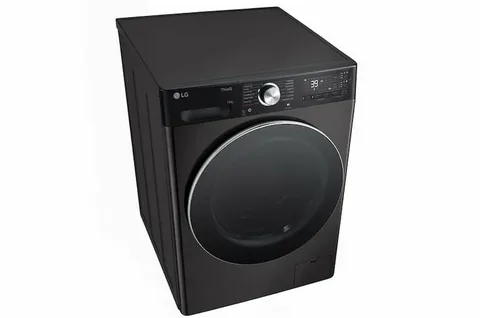
LG Washing Machine Problems
LG washing machines can develop drainage issues, imbalance problems, inlet faults, door locking failures, unusual noise, or motor related symptoms.Direct Drive technology changes the drive arrangement compared with conventional belt driven machines, so diagnosis should match the actual model.

Whirlpool Washing Machine Problems
Whirlpool machines may experience pump faults, drainage problems, filling issues, heating faults, spinning problems, or electronic control errors.The exact repair approach depends on the machine type and model configuration.
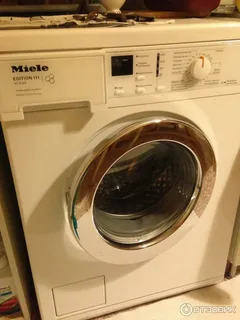
Miele Washing Machine Problems
Miele washing machines are often positioned in the premium appliance market. Problems may involve drainage, water intake, door systems, sensors, electronics, or mechanical components. Careful diagnosis is particularly important before replacing expensive parts.
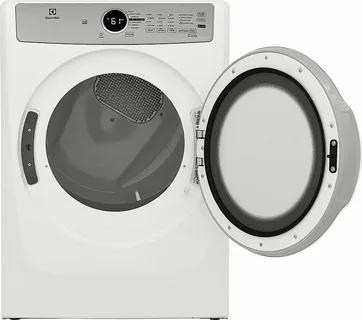
Electrolux and AEG Washing Machine Problems
Electrolux and AEG machines may develop drainage faults, heating problems, door lock issues, sensor errors, or motor related symptoms. Repeated error messages should be investigated rather than simply reset again and again.
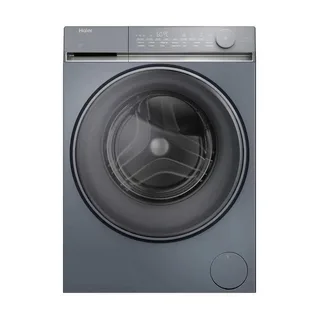
Beko and Haier Washing Machine Problems
Beko and Haier machines can experience common household washer faults involving pumps, inlet valves, drainage, spinning, vibration, and electronic controls.The visible symptom alone is not always enough to identify the failed component.
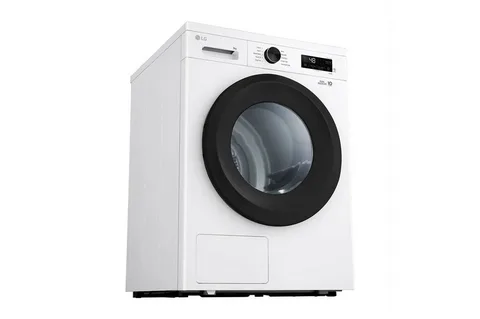
Front Load and Top Load Washing Machine Faults
Front load and top load machines do not always develop the same problems like Door gasket, Door interlock Drainage, Drum bearings,Shock absorbers Detergent residue around seals
How Dubai Conditions Can Affect Washing Machine Performance
Washing machine care in Dubai should consider the local environment and household usage patterns.
Mineral Deposits
Water related mineral buildup can affect internal surfaces and components over time. Scale may accumulate around parts exposed to water and heat.
Heat and Ventilation
Washing machines installed in enclosed utility spaces need suitable ventilation. Excessive heat around electronic components can contribute to poor operating conditions.
Dust
Dust can accumulate around ventilation areas, behind appliances, and near electrical components. Keeping the installation area clean can support better airflow and easier inspection.
Frequent Use
Large families may run several cycles each week or even multiple cycles per day. Higher usage increases wear on pumps, bearings, seals, suspension systems, and door mechanisms.
Should You Repair or Replace a Washing Machine?
Replacement is not automatically the best choice when a fault appears.
Repair may make sense when:
- The appliance is otherwise in good condition
- The fault is limited to a serviceable component Repair cost is reasonable compared with replacement Suitable parts are available The machine has not developed repeated major failures
- Repair cost is reasonable compared with replacement
- Suitable parts are available
- The machine has not developed repeated major failures
Replacement may deserve consideration when:
- Several major systems are failing
- Structural damage is present
- Repair costs approach the cost of a suitable replacement
- Suitable parts are available
- The machine has not developed repeated major failures
Add Your Heading Text Here
professional inspection is recommended when the machine:
- Leaks water repeatedly
- Produces a burning smell
- Trips electrical protection
- Makes severe grinding or banging noises
- Refuses to drain
- Does not spin
- Shows recurring error codes
- Stops during cycles
- Fails to heat when required
- Has a locked door that will not release normally
Electrical faults and internal repairs should be handled carefully. A washing machine combines water, moving components, and mains electricity, so unsafe DIY work can create additional risks

Washing Machine Repair Across Dubai
Households across Dubai use a wide range of European, Korean, Japanese, American, and other appliance brands. Repair requirements can vary between apartments, villas, family homes, and managed properties.
Washing machine support may be needed in areas including:
- Dubai Marina
- Downtown Dubai
- Business Bay
- Palm Jumeirah
- Dubai Hills
- Arabian Ranche
- JLT Motor City
- Jumeirah
- Dubai Hills Estate
- Al Barsha
- Sports City
- Mardiff
- JVC
- Silicon Oasis
Frequently Asked Questions
Cooling issues may involve airflow restrictions, evaporator components, temperature sensors, refrigerant circulation, or electrical systems.
A blocked filter, restricted drain hose, pump obstruction, faulty drain pump, or drainage installation issue may be responsible.
Possible causes include incorrect leveling, an unbalanced load, overloading, worn shock absorbers, suspension faults, or installation problems.
The source may be an inlet hose, drain hose, pump, internal connection, door seal, detergent system, or another water carrying component.
Some faults can be resolved during the initial visit, while others require specific replacement parts or further testing. It depends on the diagnosis, model, and part availability.
Service coverage can include many major brands such as Bosch, Siemens, Samsung, LG, Whirlpool, Electrolux, Miele, Beko, Haier, Hitachi, Panasonic, Ariston, Indesit, and AEG. Confirm the exact brand and model when booking.
Not every noise indicates immediate danger, but grinding, severe banging, burning smells, or rapidly worsening sounds should not be ignored. Stop using the machine if there are signs of electrical or major mechanical failure.
The decision depends on age, condition, fault severity, repair cost, parts availability, and previous breakdown history. Diagnosis should come before replacement.
